
[EU Desk in Seoul] "한국-유럽, 두 개의 규제된 디지털자산 시장 브릿지가 만난다면"
![[EU Desk in Seoul] "한국-유럽, 두 개의 규제된 디지털자산 시장 브릿지가 만난다면"](/content/images/size/w1200/2026/04/d158939c-66dc-4a0d-9534-673427810239.png)
유럽 디지털자산 시장에서는, 지금 무슨 일이 일어나고 있나
Wavebridge EU CEO Greta Morkūnaitė 인터뷰
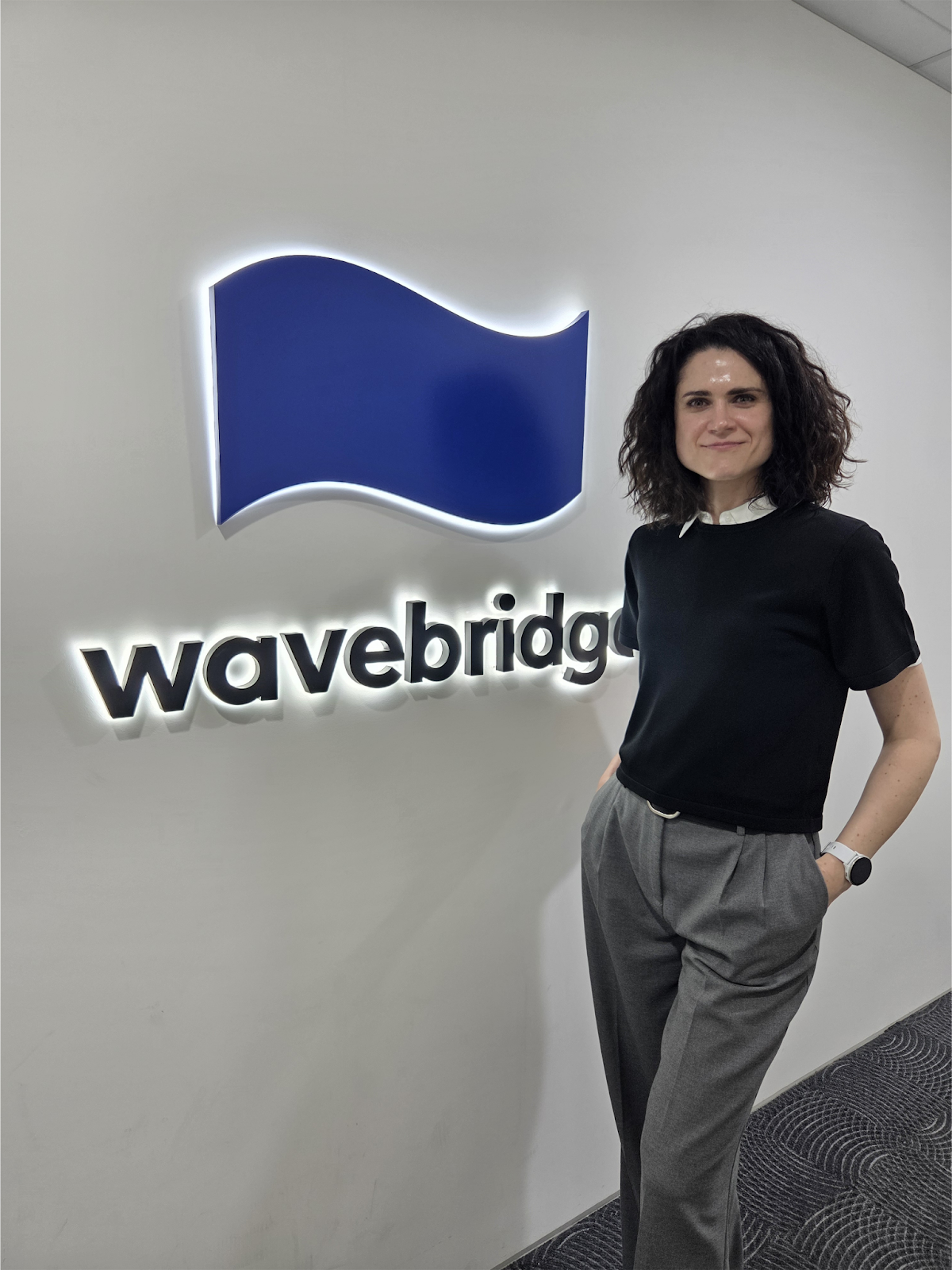
변호사로 시작해 DeFi, P2P 금융, MiCA 기반 전자화폐 발행까지 — EU 규제 금융의 모든 레이어를 직접 통과해온 사람이 있습니다. 바로 Wavebridge EU의 CEO, Greta Morkūnaitė입니다. 규제가 바뀌는 현장마다 직접 들어가 문제를 풀어온 그녀에게, 지금 유럽 디지털자산 시장에서 무슨 일이 일어나고 있는지, 그리고 한국 시장이 무엇을 준비해야 하는지 물었습니다.
Q1. MiCA 시행을 하면서 유럽의 디지털자산 규제가 바뀌었다는데, 어떻게 달라진 건가요?
한마디로 말하면, "통합 룰이 생겼다" 는 거예요. 예전 유럽은 나라마다 규칙이 달랐어요. 독일에서는 되는 게 프랑스에서는 안 되고, 리투아니아에서는 또 달랐죠. 시행 이전에는 1,100개에서 1,300개 이상의 서비스 제공자가 다른 나라에서 다른 규제 아래 운영되고 있었어요.
그런데 2024년부터 MiCA라는 유럽 전체 공통 규제가 생겼어요. 이제는 라이선스 하나로 EU 27개국에서 다 사업할 수 있어요. 기준도 명확해졌고요. 그 결과, 예전에 1,000개가 넘던 사업자가 지금은 약 170개만 살아남았어요. 크라켄, 코인베이스 같은 대형 사업자는 CASP(Crypto-Asset Service Provider) 라이선스를 확보하고 EU 전역으로 패스포팅 중인 반면, 자본·거버넌스 요건을 충족하지 못한 소규모 사업자들은 시장을 떠나게 됐어요. 리투아니아만 봐도, 370개 회사가 올 초 기준 4개로 줄었어요.
규제가 명확해지니, 통일된 규칙 아래 사업을 구축할 수 있게 된 거에요.
인가 절차 자체만 봐도 매우 포괄적인데요. 비즈니스 모델을 넘어 재무 건전성, 거버넌스, AML/CFT(Anti-Money Laundering and Combating the Financing of Terrorism) 프레임워크 전반을 심사해요. 쉽지 않은 과정이지만, 인가를 취득하면 그것이 곧 높은 수준의 신뢰로 전환되게 됩니다.
Q2. 그럼 기관 투자자들은 지금 뭘 원하나요?
많은 사람들이 "기관이 들어오면 거래량 폭발하겠지" 라고 생각하는데, 실제로는 달라요.
기관이 제일 먼저 묻는 건 이거예요. "내 돈을 안전하게 맡길 수 있나?"
그래서 지금 유럽에서 가장 뜨거운 영역이 수탁(Custody) 이에요. 믿을 수 있는 금고 서비스부터 찾는다는 거죠. 기관들은 안전하게 보유할 수 없거나, 회계처리할 수 없는 자산에는 관여하지 않습니다.
수탁을 넘어서는 영역에서는, EU 시장에서 아직 충분히 발전하지 못한 구조적 유동성 공급과 프라임 브로커리지 서비스에 대한 관심이 높아지고 있어요. 기관들이 거래할 때 필요한 유동성, 리스크 관리 같은 전문 인프라인데, 유럽에서 이 영역은 아직 비어있죠.
Wavebridge EU가 MiCA 라이선스 취득 후 포지셔닝하려는 공백이 바로 여기에요. 또한 규제 범위 안에서 수익을 창출하려는 기관들의 수요로 컴플라이언트 수익 상품에 대한 관심이 커지고 있거든요.
Q3. 유럽에서 한국 시장을 어떻게 보나요?
강점부터 보면, 한국은 진짜 대단한 시장이에요. 한국은 전 세계에서 1인당 디지털자산 거래가 가장 활발한 시장 중 하나죠. 업비트, 빗썸 같은 거래소는 유럽 대형 거래소 못지않은 거래량을 매일 찍어요. 기술 인프라 측면에서도 한국 사업자들은 극한의 거래량 조건에서 검증된 견고한 시스템을 구축해왔죠.
한국 시장 플레이어들의 컴플라이언스 이행의 일관성에 대해 유럽 기관들은 확인하고 싶을거라 생각해요.
한국은 가상자산이용자보호법을 통해 예치금 분리 보관, 가상자산 분리 보관, 파산 시 이용자 우선 지급 등 기관 수준의 보호 장치를 법적으로 갖추고 있죠. 이는 물론 유럽의 기관 파트너들도 긍정적으로 보는 부분이에요.
Q4. EU 내 기관들이 가장 경계하는 것은 무엇인가요?
EU 기관들이 가장 크게 경계하는 건 법적 리스크예요. 내가 들고 있는 이 자산이 EU 법체계에서 정확히 어떤 것으로 분류되는지, 토큰화 금융상품이 법적으로 어떻게 다뤄지는지가 아직 명확하지 않다는 점이 가장 큰 불확실성이에요.
그 다음은 유동성 리스크예요. 시장 전체는 커지고 있지만, 비트코인 같은 주요 자산을 벗어나면 EU 거래소의 오더북은 여전히 얕아요. 시장이 압박을 받는 상황에서는, 얇은 유동성은 실질적인 리스크가 되지요.
사이버보안도 계속 신경 쓰이는 부분이에요. 2025년 초에 약 15억 달러 규모의 수탁 해킹 사건이 있었는데, 이게 업계에 던진 메시지는 명확했어요. 아무리 잘 설계된 수탁 구조라도, 외부 업체나 공급망 어딘가에 구멍이 있으면 그게 그대로 리스크가 된다는 거예요.
그래서 기관들이 기본으로 요구하는 것들이 있어요. 고객 자산 분리 보관, 독립적인 수탁기관, 거래 전 사전 통제, 실시간 포지션 모니터링. 사전에 허가된 주소로만 출금을 허용하는 화이트리스트 월렛도 파이어블록스(Fireblocks), 빗고(BitGo) 같은 기관 수탁사들을 중심으로 이미 업계 표준이 됐어요. 옵션이 아니라 기본값인거죠.
Q5. 웨이브릿지 EU와 한국 법인은 어떻게 협력하는 구조인가요?
하나의 회사가 여러 나라에 뻗어있는 게 아니고, 각자 완전히 독립된 두 회사가 중간에서 만나는 구조예요. 각 법인은 해당 관할권에서 독립적으로 인가를 받아 현지 규제를 따르게 됩니다. EU 법인은 현재 MiCA 인가 절차를 진행 중이며, 한국 법인은 한국 법에 따라 인가를 받고 운영 중입니다.
거버넌스, 컴플라이언스, 고객 관계 모두 완전히 분리돼요. 즉, EU 법인은 유럽 규제를 받고, 한국 법인은 한국 규제를 받습니다. 이는 규제 측면에서 타협할 수 없는 원칙이고, 또 양측 규제 당국의 신뢰를 구축하는 유일한 방법이기 때문이에요.
여기서 웨이브릿지만의 강점이 나와요. 바로 '규제된 상호운용성(regulated interoperability)'이에요.
EU에서는 MiCA 인가 절차를 직접 밟으면서 커스터디 커스터디 요건 이행, 컴플라이언스 기준 수립, 상품 개발 전반을 실무적으로 진행하는 과정입니다. 한국에서는 이미 인가를 받고 운영 중인 법인으로서, 아시아에서 가장 활발한 디지털자산 시장에서 규제 대응과 실전 운영 경험을 동시에 쌓아왔고요.
두 법인이 각자의 환경에서 다른 깊이로 쌓아온 경험이 그룹 차원에서 정렬될 때, 그 결과물은 어디에도 없는 인프라가 만들어진다고 생각해요.
Q6. 유럽에서 비즈니스를 하는 것에 관심있는 한국 기관들에 해줄 수 있는 팁이 있을까요? EU 기관이 한국 파트너를 평가할 때 가장 먼저 확인하는 것은 어떤 건가요?
EU 기관들이 한국 파트너를 볼 때 가장 먼저 던지는 질문은 하나예요. "이 파트너가 유럽에서는 구하기 어려운 무엇인가를 갖고 있는가?" 한국은 사실 이 질문에 꽤 강한 답을 가지고 있어요. 두터운 리테일 유동성, 실전에서 검증된 기술 인프라, 아시아 자본 흐름으로의 접근성과 같은 것들이에요. 이것들은 유럽 파트너 입장에서 실질적인 매력이거든요.
다음은 컴플라이언스예요. 말로만 "컴플라이언스 기준을 다 맞췄다"고 해서는 부족해요. 그걸 증명하는 문서가 실제로 준비되어 있고 이행되고 어야 해요.
그리고 마지막으로, 함께 오래 갈 수 있는 상대인지를 봐요. EU 기관들은 한 번 거래하고 끝나는 관계를 원하지 않아요. 단순한 사업 의지보다는 운영 안정성과 거버넌스 깊이를 증명해야 한다는 의미입니다.
Greta Morkūnaitė는 누구?
Greta는 단순히 "규제를 아는 사람"이 아니라, 규제가 바뀌는 현장마다 직접 들어가 문제를 풀어온 실무 전문가이다.
리투아니아에서 기업 법무 변호사로 시작해, DeFi가 폭발적으로 성장하던 시기에 MEV Capital COO로 탈중앙화 금융의 한가운데를 경험했다. 이후 EU·EEA 전역에서 결제 서비스를 운영하는 유럽 최대 P2P 플랫폼 NEO Finance에서 COO를 맡으며 실제 EU 금융 규제 안에서 사업을 운영했다. MiCA가 본격 시행되던 시점엔 MiCA 기반 전자화폐 발행 인가를 보유한 핀테크 Ambr Payments의 COO로, 스테이블코인 규제가 실무에서 어떻게 작동하는지를 직접 겪었다.
법률, DeFi, P2P 금융, MiCA 스테이블코인 등 EU 디지털자산 규제의 모든 레이어를 통과해온 그녀가, 현재 웨이브릿지 EU에서 기관급 인프라를 만들고 있다.
"When Two Regulated Digital Asset Bridges Between Korea and Europe Meet"
What's Happening Now in the European Digital Asset Market
An Interview with Greta Morkūnaitė, CEO of Wavebridge EU
Starting as a lawyer, then moving through DeFi, P2P finance, and MiCA-based e-money issuance — there is someone who has passed through every layer of EU regulated finance firsthand. That person is Greta Morkūnaitė, CEO of Wavebridge EU. She has walked into every regulatory shift and solved the problems from the inside. We asked her what is happening in Europe right now, and what Korea needs to prepare for.
Q1. European digital asset regulation has changed with MiCA. What's actually different?
In one word — "a unified rulebook now exists." Before, every country in Europe had its own rules. What was allowed in one country might have been forbidden in another. Before MiCA, over 1,100 to 1,300 service providers were operating under different regulations in different countries.
Then in 2024, MiCA came into effect as a single regulatory framework across all of Europe. Now, one licence covers crypto-asset related business operations across all 27 EU member states. The standards are clear. As a result, what used to be over 1,000 operators has been reduced to over170 with MiCA licences today. Major players like Kraken and Coinbase have secured CASP licences and are passporting their services across the EU, while smaller operators that couldn't meet the capital, compliance and governance requirements have exited the market. In Lithuania alone, 370 companies have been reduced to just 4 active MiCA licence holders as of early this year.
With regulatory clarity came the ability to build businesses under a unified, harmonised set of rules. The authorisation process itself is comprehensive — it goes beyond the business model to assess financial soundness, governance, and a fully developed AML/CFT framework. It's not an easy process, but once authorisation is granted, it converts directly into a high level of trust.
Q2. So what do institutional investors actually want right now?
Many people think "if institutions come in, trading volume will explode" — but the reality is different.
The first question institutions ask is this: "Can I safely custody my assets?"
That's why the hottest area in Europe right now is Custody — finding a trustworthy vault, so to speak. Institutions simply won't engage with assets they cannot safely hold and account for.
Beyond custody, there is growing interest in structured liquidity provision and prime brokerage services — the professional infrastructure institutions need for trading, liquidity, and risk management — and this space remains underdeveloped in Europe. This is the gap Wavebridge EU is positioning to fill after receiving its MiCA licence. There is also rising demand for compliant yield instruments, as institutions look for ways to generate returns within regulatory boundaries.
Q3. How does Europe view the Korean market?
Starting with the strengths — Korea is a genuinely impressive market. It consistently ranks among the most active digital asset markets per capita in the world. Exchanges like Upbit and Bithumb post daily trading volumes that rival major Western exchanges. Korean infrastructure providers have also built technically robust systems, tested under conditions of extreme volume.
What EU institutions will want to verify is the consistency of compliance implementation across Korean market participants. Korea has established a meaningful legal foundation through its Virtual Asset User Protection Act — including segregation of client deposits, separate custody of virtual assets, and priority repayment to users in the event of insolvency. These are provisions that European institutional counterparties view positively.
Q4. What are EU institutions most wary of?
Legal risk sits at the top of the list for EU-based institutions as some uncertainty remains around asset classification. Liquidity is the next problem. The market is growing, but outside of the major trading pairs, order books on EU venues are still thin. When markets come under pressure, that concentration becomes a real risk. Then there's cybersecurity. A single custody breach in early 2025 wiped out around $1.5 billion — a blunt reminder that even well-structured custody arrangements can be exposed through third-party and supply chain weak points.
That is why institutions require segregated client accounts, trusted custodians, pre-trade controls, and real-time position monitoring as standard. Whitelisted wallet architectures — restricting transactions to pre-approved counterparties — are widely used, including by institutional custodians such as Fireblocks and BitGo. These are not optional features. They are the baseline.
Q5. How does the collaboration structure between Wavebridge EU and the Korean entity work?
"It's not one company stretching across multiple countries. It's two completely independent entities meeting in the middle. . Governance, compliance, and client relationships are fully separated. This is non-negotiable from a regulatory standpoint — and frankly, it's the only way to build trust with regulators on both sides."
In Europe, we are currently going through the MiCA authorisation process firsthand — working through the implementation of custody requirements, compliance standards, and product development. In Korea, our entity is already licensed and operational, having built both regulatory and hands-on market experience in one of the most active digital asset markets in Asia.
When the experience each entity has developed in its own environment comes together at the group level, the result is infrastructure that exists nowhere else.
Q6. Any tips for Korean institutions interested in doing business in Europe? What's the first thing EU institutions check when evaluating a Korean partner?
The first thing EU institutions look at is whether a Korean partner brings something that is genuinely difficult to find within the EU. Korea's answer to that is actually quite strong - deep retail liquidity, technically robust infrastructure, and access to Asian capital flows are real differentiators. Compliance alignment is the next filter: saying you are compliant is not enough - the documentation needs to be ready and properly followed. Beyond that, EU institutions are looking for counterparties they can build with over time, not one-off transaction partners, which means demonstrating operational stability and governance depth rather than just commercial appetite.
Who is Greta Morkūnaitė?
Greta is not simply someone who "knows regulation" — she is a practitioner who has walked into every regulatory shift and solved problems from the inside.
She started her career as a corporate lawyer in Lithuania, then moved into the heart of DeFi as COO of MEV Capital during the period of explosive growth in decentralised finance. She then joined NEO Finance — the largest P2P lending platform in Lithuania, also operating payment services across the EU and EEA — as COO, where she ran actual businesses within EU financial regulation. When MiCA came into full effect, she served as COO of Ambr Payments, a fintech holding MiCA-based e-money token issuance authorisation, experiencing firsthand how stablecoin regulation works in practice.
Having passed through every layer of EU digital asset regulation — law, DeFi, P2P finance, and MiCA stablecoins — she is now building the institutional-grade infrastructure at Wavebridge EU. She holds a Master's degree in Law and an Executive MBA.